ConAltriOcchi blog – 以不同的眼光看世界-博客

"C'è un solo modo di vedere le cose finché qualcuno non ci mostra come guardare con altri occhi" – "There is only one way to see things, until someone shows us how to look at them with different eyes" (Picasso) – "人观察事物的方式只有一种,除非有人让我们学会怎样以不同的眼光看世界" (毕加索)


Leave a comment

Papa Francesco pellegrino di pace in Egitto 

Pope of peace in Egypt of peace”. E’ il motto scelto per il viaggio che inizia di Papa Francesco in Egitto. Papa Francesco sta per atterrare all’aeroporto internazionale de Il Cairo. E’  il suo diciottesimo viaggio internazionale dove il dialogo interreligioso, e la pace saranno i temi portanti.Dopo la visita di cortesia al presidente della Repubblica, Abdal Fattah Al-Sisi, andrà ad Al-Azhar, la maggiore università dell’Islam sunnita, e incontrera’ il grande imam Ahmad Al-Tayyeb, partecipando alla Conferenza internazionale sulla Pace dove terra’ un attesissimo discorso. Subito dopo il Santo Padre incontrera’ le autorità egiziane, e poi fara’ visita al Patriarcato copto-ortodosso incontrando il patriarca Tawadros II. Con il patriarca il Papa preghera’ nella vicina chiesa di San Pietro, luogo del recente attentato rivendicato dall’Isis.

Colpisce di questo viaggio,l’attesa gioiosa e piena di speranza che si registra in tutti gli ambiti religiosi e civili egiziani. Dai mussulmani ai copti ortodossi e cattolici, fino agli apparati governativi e alla gente comune, Papa Francesco e’ riconosciuto come uomo di pace e grande autorità morale e spirituale.

Accompagnamolo  con la nostra preghiera .


Leave a comment

Resurrection is the Good News of Jesus

We believe that the God, who created the universe and has given beauty to the flowers and gave the stars to heaven and the sky to the stars  and who gave life to us , preserves this life with Him for always. The Liturgy says: “To your faithful Lord life is changed not ended.” Jesus Christ is the one in whom the mystery of dying and living has been accomplished. Resurrection is the Good News of Jesus Christ.

But we must live and enjoy every day this Good News, as a daily bread, and this because Jesus did so and this recommended us. When He gave sight to the blind, this was already resurrection, when he gave bread to the hungry, this was already resurrection. When in front of Pilate he said “You would have no power over me unless it were given to you from above” he broke the chains of the Roman empire and of every empire, and  this was already resurrection. Jesus, before ever living the Father’s gift of life, has freed a lot of people from daily deaths.

If we want to be Christians we have to thank the philosophy reflecting on the mystery of life and the science that tries to make life and death more dignified, but we can not resign ourselves to accept any sepulcher.

We believe that death is not a natural event, but the event of a nature corrupted by the mystery of evil and sin; We believe that joy, happiness, and life are a natural event. We are made for life and this is our nature. When we say that Jesus Christ is “true man” this means not only the great gift of the Incarnation on Christmas night, but also how a man as to be:  a “true man”, the man as God had thought when He created him, immortal.

In the mystery of our Redemption we have the blood and the tears: the Blood of the Son and the Mother’s tears. Think what extraordinary thing: a place, the Calvary, at the foot of the Cross, where blood and tears meet.

Jesus, on Naim’s road, stood in front of the unique son’s coffin for the tears of that poor Mother. The weeping of Martha and Mary weaves him to tear before than do the miracle. Every time a mother weeps, everywhere someone cries for love, there are the blood and tears of Jesus and Mary.

The Risen Lord did not stop crying but invites us to go further: “Woman why are you weepingWho are you looking for?” (Jn 20,15) Each of us has to discover the faith that is in that question: “who seek?”. This is explained  so many times in Writing. We must never stop looking for; we have to seek together and not between the dead but among the living as the Risen Lord teaches us.

Jesus Christ came to restore life forever, in the wait of meting Him one day: “I have come so that they may have live and have it to the full” (Jn 10:10)


Leave a comment

Our task in history: to announce the primacy of love

In the passage of the Acts of the Apostles (Acts 14: 21-27) Saint Paul establishes and organizes communities; I am the Body of Christ in the world. Names of people and geographic locations are involved when The Gospel becomes history. It is the logic of the Incarnation that enters into the concrete life of everybody.

In the text of the Apocalypse (Ap 21: 1-5), we see the Holy City descending from above, a city where all old things have passed and only love remains forever. We and our communities live challenged between these two absolute polarities: Christ the Lord with His Word and His gestures and the expectation of His return to Glory, when we will live together in the Holy City. Our task in history is to announce the primacy of love, is to become yeast and light in the story so often terribly dark. Our faith makes us – as Scripture says – “capable of enduring many difficulties”.

Easter is not an historic alternative, but it is the pulsating heart of our day, it is the concrete and living sense immersed in the heart of time and space. We ask for the intercession of Saint John the Apostle and the Evangelist, “the disciple loved  by Jesus”, to love more and better and to be masters in humanity as Paul VI remembers and to recognize us as disciples loved by the revealing Christ of our Father in heaven.


Leave a comment

Resurrection has no masters but witnesses

In the Gospel the Sadducees (who resolutely denied resurrection from the dead) attempted to divide Jesus from the people, fearing a Roman repression. The Sadducees were a spiritual stream of Late Judaism and together with the Pharisees formed the ruling class of Israel. They were cultured, coming from priestly families, aristocrats, and by their ranks were the chief priests who represented all Israel in front of the Roman occupation.

The Good News of Resurrection divides; even Saint Paul in Athens’ Areopagus will experience this division: “We would like to hear you talk about this another time.” (Acts 17, 32). We must not create divisions; all creatures are daughters of the resurrection. We who have received baptism have the task of announcing this Word of Hope. We must proclaim it, spread it but without the hardness of those who feel master of truth, because the truth of the resurrection has no masters, but only witnesses.

The book of Maccabees tells, while they were fighting Antioco IV Epiphans, they witnessed their faith by offering their life for the love of the people. How many men and women did the same in history. Let us remember the Blessed Bishop Romero a few days before being killed said: “I will resuscitate with my people of Salvador who will rise again”

Resurrection is strongly connected with justice says the Scriptures and should bring all the usurpers down and instead we see that many are still in their place; this means that our faith is somewhere corrupted, alienated, thinking to heaven but no longer making choices that allows the liberation of the oppressed on earth. The Word has “released us from corrupt and wicked men”,  says Saint Paul.

Why are you looking for the dead who is alive? These words of the evangelist Luke maintain intact their beauty. The God of Jesus Christ is the one who is alive;  this is His name. If He is alive, He calls me, He looks for me,  He asks for works of righteousness, of liberation and charity. In the  waiting of being able to meet Him in the Glory of the resurrection.


Leave a comment

Europa credi in te stessa

Sabato 25 marzo a Roma presso il Palazzo dei Conservatori in Campidoglio si svolgeranno le celebrazioni del 60° anniversario della firma dei Trattati di Roma, uno dei momenti storici più importanti del processo di integrazione europea. Quel giorno del 1957 tutte le campane di Roma suonarono a festa perché si aveva la coscienza di vivere un momento storico. Dodici anni dopo la fine della seconda guerra mondiale, l’Europa seppur divisa dalla Cortina di ferro, voltava definitivamente pagina. I cosìdetti Trattati di Roma crearono la Comunità europea dell’energia atomica (Ceea o Euratom) e la Comunità economica europea (Cee).

Oggi il vento populista antieuropeo che da qualche parte soffia, non è minimamente paragonabile a quei giorni della storia ai quali l’Europa deve tornare urgentemente a guardare.

Cittadini di Europa, eredi della grande tradizione greca e romana, cristiani radicati nel sangue dei martiri, persone liberate da ogni schiavitù nel secolo dei lumi. Guardando i profughi respinti con la forza alla diverse frontiere europee, guardando l’accordo con la Turchia, guardando il nostro Mare Mediterraneo, cimitero dove viaggiano le nostre grandi navi da crociera, c’è a volte da vergognarsi di essere europei, greco romani, cristiani e illuministi.

Scappano dalle bombe, dalla distruzione delle loro case e dalle persecuzioni dell’Isis. Forse però non sono loro i veri profughi; forse è la nostra Europa ad aver ormai perduto le radici della sua antichissima civiltà; una Europa vecchia e stanca, che non fa più figli, e non sa riconoscere come propri, i figli dell’altra parte della umanità; forse è proprio l’Europa ad essere profuga e perduta, senza una patria e senza un approdo, un futuro. “Vi sarà tolto il Regno di Dio e sarà dato ad un popolo che lo farà fruttificare” (Mt 21,43). Queste parole del Signore; stanno già avvenendo; viene tolta la radice all’albero che non porta frutti buoni per tutti; viene tolta la libertà a chi non la sa condividere con gli altri; viene tolto anche il Vangelo a chi lo ha trasformato in privilegio e merce di scambio con il potere. L’Europa delle università e delle cattedrali, per sua colpa è ridotta ad un ospizio per vecchi, le sue nazioni sono in “guerra” le une contro le altre, i suoi confini stanno per cadere sotto i colpi della dignità di coloro che si sono stancati delle dichiarazioni di principio e hanno trasformato i loro stracci in bandiere e i loro poveri arnesi, in barricate. Forse c’è proprio bisogno di un altro popolo che faccia fruttificare la vigna europea, che ricostruisca una civiltà perduta. Una civiltà europea che è diventata idolatrica di se stessa, piena di “vitelli d’oro”, perché è sparita la parola della vera democrazia, la parola della grande filosofia occidentale, ed è sparita anche la Parola di Dio, che ti mette in una salutare crisi e ti ricorda il cuore della tua essenza, che è la condivisione dei doni di Dio.

Davanti ad un vero e proprio “peccato europeo”, forse il Vescovo di Roma Francesco, voce che grida nel deserto, è stato mandato da Dio come un nuovo Mosè:” “Allora il Signore disse a Mosè: ‘Va, scendi, perché il tuo popolo, si è pervertito. Non hanno tardato ad allontanarsi dalla via che io avevo loro indicata! [..] Ora lascia che la mia ira si accenda contro di loro e li distrugga’ “(Es 32,7-10).Davanti al peccato Dio dice a Mosè, vai a dire a loro che io li distruggo. Il Dio di Gesù Cristo, non è certamente cattivo e vendicativo, ma non si compromette con il nostro male, si dissocia da una Europa che non è più se stessa.

Papa Francesco con il suo esempio e i suoi appelli, sta distruggendo le vecchie tavole di una legge ingiusta e discriminatoria, le scaglia per terra e lo fa in nome di Dio facendo capire al “peccatore europeo” che sta sbagliando; distruggere il male è l’inizio del perdono e della riconciliazione. Il peccato europeo è una cosa seria; le tavole della legge non esistono più, sono andate distrutte insieme a tutti i vitelli d’oro; Francesco denuncia la gravità del peccato, per poter liberare l’Europa proprio dal suo peccato. Chiediamo all’Europa di avere il coraggio (è ancora in tempo) di accogliere le seconde tavole della legge, questa volta, come ci ricorda Gesù, scritte non più sulla pietra, cioè nei frontespizi dei palazzi del potere, sugli scudi degli eserciti, sulla carta delle costituzioni, ma nel cuore di carne di ogni cittadino europeo. Dio ti ha già perdonato vecchia Europa; ti chiediamo di ricominciare ad essere te stessa, di ritrovare la tua antica nobiltà; non essere mai più un sogno svanito, una illusione, una delusione.   Noi ne aspettiamo pregando e pur sempre amandoti, la prova.


Leave a comment

Europe believe in yourself

On Saturday 25th March, the celebrations for the 60th Anniversary of the signing of the Treaties of Rome, one of the most important historic events in the process of European integration,  will take place in Rome at the Palazzo dei Conservatori on the Capitoline Hill.   On the same day in 1957, all the bells of Rome were ringing joyously in awareness that an historic event was taking place. Twelve years after the end of the Second World War, even though it was divided by the Iron Curtain, Europe was definitely turning a page in its history and moving on.  The so-called Treaties of Rome created the European Atomic Energy Community (EAEC or Euratom) and the European Economic Community (EEC).

Today the Anti-European wind of populism blowing in some places is in no way comparable to those historic days at which Europe must urgently look back.

Citizens of Europe, heirs to the great Greek and Roman tradition, Christians  with their roots in the blood of martyrs, persons freed from every kind of enslavement in the age of enlightened thinkers.  When we look at refugees rejected with force at various European borders, when we look at the agreement with Turkey,  when we look at our Mediterranean Sea, a cemetery over which our huge cruise ships sail, we must perforce be ashamed, at times, to be Europeans, Graeco-Romans, Christians and enlightened people.

They are fleeing from bombs, from the destruction of their homes and from the persecutions of Isis. However, perhaps they are not the real refugees ; perhaps it is our Europe which has now lost its roots in its ancient civilization; an ageing and tired Europe, no longer producing children and  unable to recognize as its own the sons of another part of the world; perhaps it is Europe which is a refugee,  lost, without a homeland, without a landing at which to dock, without a future.

“Therefore, I say to you, the kingdom of God will be taken away from you and given to a people that will produce its fruit.”(Mt 21,43)

These words of the Lord are already happening.  The roots of the tree which does not bear good fruit for everyone are hewn out; freedom is taken from those who know not how to share with others;  the Gospel is taken away from whomever turns it into privileges and goods to be traded with power.  Europe of the universities and cathedrals is, through its own fault, reduced to being a hospice for the old, its nations are at “war” one against another, its borders about to give way under the weight of the dignity of those tired of declarations of principle and have turned their rags into banners and their poor tools into barricades.  Perhaps we need another people who can make the European vineyards flourish, who can reconstruct a lost civilization.  A European civilization which has become an idolater of itself, full of “golden calves” , because the word of true democracy has vanished, the word of the great Western philosophy and the Word of God has also vanished, the Word of God which creates a healthy crisis in you and reminds you about the very heart of your essence, which is to share the gifts of God.

Faced with this true and proper  “European sin”, perhaps the Bishop of Rome, a voice crying out in the wilderness, has been sent by God as the new Moses:”With that, the LORD said to Moses, “Go down at once to your people, whom you brought out of the land of Egypt, for they have become depraved. They have soon turned aside from the way I pointed out to them, making for themselves a molten calf and worshiping it, sacrificing to it and crying out, ‘This is your God, O Israel, who brought you out of the land of Egypt!’ I see how stiff-necked this people is,” continued the LORD to Moses. “Let me alone, then, that my wrath may blaze up against them to consume them. Then I will make of you a great nation.”

Faced with sin, God said to Moses, go and tell them  I will destroy them. The God of Jesus Christ is certainly not wrathful or vengeful, but he will not make compromises with our evil, dissociating himself from a Europe which is no longer itself.  Francis by his example and his appeals, is destroying the old tables of an unjust and discriminatory law, he hurls them to the ground and he does so in the name of God to make the  “European sinners” realize they are making a mistake;  to destroy evil is the beginning of forgiveness and reconciliation. This European sin is a serious thing; the tables of the law no longer exist, they have been destroyed together with the golden calves; Francis is denouncing the gravity of this sin in order to free Europe from its sin. We ask Europe to find the courage (and it is still not too late) to welcome the second tables of the law, this time, as Jesus reminds us,  no longer written on stone, i.e. on the frontispieces of the palaces of power, on the shields of armies, on the constitutional charters but on tablets that are the hearts of flesh of all European citizens.  God has forgiven you, old Europe; we ask you to start being yourself once again; never again a vanished dream, an illusion, a disappointment.   We are awaiting  proof of this, praying and loving you still.


Leave a comment

Se tu conoscessi il dono

Riflessioni sulla Terza Domenica di Quaresima 

Leggiamo nella Prima lettura della Terza domenica di Quaresima, tratta dal Libro dell’Esodo al capitolo 17: “Il Signore disse a Mosè: prendi in mano il bastone con cui hai percosso il Nilo, e va’! Ecco, io starò davanti a te là sulla roccia, sull’Oreb; tu batterai sulla roccia: ne uscirà acqua e il popolo berrà”.

La roccia fa scaturire l’acqua. Per fare questo ci vuole la fede. Occorre avere questa fede, nel Dio di Gesù Cristo affinchè dalla dura roccia della nostra vita possa emergere l’acqua viva; ci vuole anche la fiducia nell’uomo, che nonostante le sue contraddizioni e il suo peccato, rimane immagine e somiglianza di Dio. Gesù Cristo è la risposta alla nostra fede e alle nostre speranze e dice ad ognuno di noi con le parole del vangelo di Giovanni al capitolo 4: «Credimi, donna, viene l’ora in cui né su questo monte né a Gerusalemme adorerete il Padre ». Il cammino di Quaresima è un pellegrinaggio alle sorgenti del nostro essere più profondo delle nostre speranze più intime, è la riscoperta della nostra coscienza come vero ed unico tempio dove adorare il Signore.

rupnick1

L’incontro di Gesù con la donna samaritana al pozzo di Sicar esprime in maniera straordinaria, l’incontro tra due desideri; il desiderio di Dio di comunicarci vita, e il desiderio di ogni uomo di vivere in pienezza. Dio non si può che desiderare, perché Dio è Amore dirà con sentenza scultorea l’autore del quarto vangelo. La stanchezza del viaggio della vita non diminuisce il desiderio di Dio, ma anzi rinvigorisce la sete di poterlo incontrare.

“Se tu conoscessi il dono di Dio e chi è colui che ti dice: “Dammi da bere!” Come la donna del vangelo anche noi non conosciamo fino in fondo il dono di Dio; a volte pensiamo che l’incontro con il Signore venga al termine di una immensa fatica, un guadagno da ottenere dopo aver ottenuto dei meriti. L’acqua di cui abbiamo sete, è Dio stesso che si dona preventivamente nel suo amore di Padre. Dopo sarà la nostra libertà a saperlo accogliere, ma il dono è prima di tutto.

Preghiamo il Signore perché ci aiuti a mantenere sempre il desiderio, la sete di crescere nella fede nella speranza e nella carità, parole che non si possono vivere separatamente. Il Dio di Gesù non è un Dio che chiede, ma un Dio che offre, che arriva addirittura a offrire se stesso. “Perché chiunque crede in lui non vada perduto, ma abbia la vita eterna”.


Leave a comment

照耀我们软弱的一道光

四旬期第二主日默想

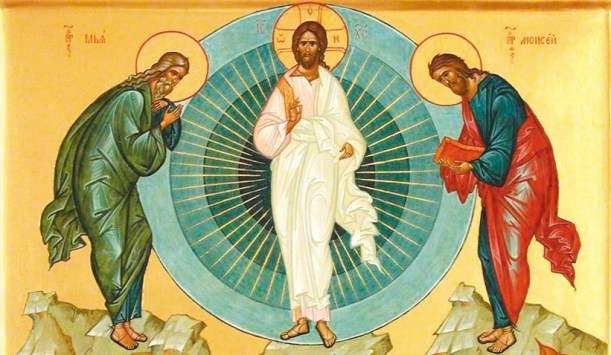
四旬期第二主日的读经一取自创世纪给我们介绍亚巴郎的圣召,他只信赖天主圣言,听从祂的召唤,离开家乡。我们也像亚巴郎一样被召唤走出我们的土地。我们处在一个历史时刻,其间穿越土地,从旧的到新的世界,成为了一个必需的事实。我们西方的土地,我们充满主教座堂的欧洲,已经被几百万寻找尊严与安全的人所包围。断言一个新世界正在形成,不是修辞上的说法。在洪水泛滥时一个还想关在诺厄方舟里的教会,也就是一个以欧洲为中心、只在自身安全和传统强势的教会,简单的说是在历史之外。她更是在世界痛苦之外。世界的这个痛苦被耶稣的光照耀,在今天的玛窦福音十七章里显露出祂片刻的光荣。

根据耶稣的榜样,每位基督徒都被召叫,在所有纬度里,甚至在有信仰者和无信仰者之间,在痛苦那个共同点上分享信仰。复活节提前的一结束,显圣容中“单独的耶稣”只是众人之间的一个。不过天主的光荣居住在软弱的、如我们一样被每样事情诱惑的耶稣里。天主只在单独和被所有人抛弃的耶稣里显示祂的光荣,祂给人们说软弱是天主的家。

trasfigurazione-d0bfd180d0b5d0bed0b1d180d0b0d0b6d0b5d0bdd0b8d0b5-verklc3a4rung-transfiguration

为此我们要有信心地走我们四旬期的行程;生活上的种种痛苦并不减少我们复活节的激情,因为上主以祂的光荣照耀痛苦,祂召叫我们在我们内和我们外总能认出祂拯救的存在。

伯多禄对耶稣说:“在这里真好”。从美丽重新开始;生活从来不简单,如果我们和耶稣一起生活,如果我们能以同情的眼神好好了解我们自己和别人,生活总会是快乐的。

我们有许多事情要做,忧虑和“世界噪音”经常阻止我们听见轻微细弱的风声,天主通过这风声来显示祂的存在。(列上 十九,12)

过一个美丽和有意识的基督徒生活,它要求我们聆听我们心内和我们之间天主的声音。天主影响我们的生活,祂照顾我们。没有任何人被排除,没有任何人被抛弃。


Leave a comment

灰,水和尘土。关于四旬期圣灰星期三的默想

我们都记得我们的祖父辈在河边用一些灰与水来洗衣服。四旬期开始的星期三在头上撒灰,圣周四晚上用水洗脚;四旬期的意义正是在这两个简单而又非常深刻的行动里。狂欢节的面具很好看,但是只能用一天;而后有带着艰苦与真实面貌的生命,一个挑战性的旅程,牵连着每个人与正是从头到脚的整个人。

四旬期使我们进入沙漠,如许多家庭所知,脱掉面具之后经验到庆节已结束,必须日复一日地奋斗,经常进入沙漠。沙漠是四旬期典型的地方,是我们生活中的必要部分。但如安东尼•德•圣艾修伯里很有效地说过:“每个沙漠里有一个井,每个哀伤中有想不到的复活的萌芽”。四旬期的终点是复活节的事实。神学家安德烈•格里洛写说:“恢复四旬期有如复活节奥秘节日性的起始是一项“伟业”,属于梵二大公会议之后的第二个世代的罗马天主教徒的我们,已经找到来自那伟大梵二的指示,作为进入我们精神与教会传统的关键之一。重新启动预尝、准备、特别是复活节起始的欢度节日的象征性机制”。

Pope Francis receives ashes from Cardinal Tomko during Ash Wednesday Mass at Basilica of Santa Sabina in Rome

Pope Francis receives ashes from Slovakian Cardinal Jozef Tomko during Ash Wednesday Mass at the Basilica of Santa Sabina in Rome March 5. (CNS photo/Paul Haring) (March 5, 2014) See POPE-ASHWEDNESDAY March 5, 2014.

神父们撒圣灰时会说:“你悔改,信从福音罢!”或是“你既是灰土,你还要归于灰土”。为了开始走向复活节悔改的道路,信仰和谦逊是必须的;只要有一个经济危机,许多人就缺少面包,只要有疾病,就缺少生活的乐趣。人是灰土。不过那个有圣神气息居住的灰土,今天还是所有杰作之间最漂亮的一个。圣神闯入我们的脆弱,召叫我们回归一个原始并总是新鲜的身份。我们要遵从圣神的指示行动,应用那个属于每个领受圣神者的脆弱勇气,那个我们在福音每个页里看见的,使我们每天成为新人的脆弱勇气。

上主通过圣灰星期三读经一的岳厄尔先知(岳 二16-18)召叫我们青年、老人、孩子、新婚夫妇、同居者、移民一起集合,来接受使我们与天主和好的邀请,如圣保禄在取自格林多后书的读经二中提醒我们的(格后 五20-六2)。

在福音里(玛 六1-6,16-18)耶稣最终劝诫我们承认旅程的严肃。天主也行走,来和我们相遇,而我们以祈祷、守斋和施舍来接待祂。这些不是单独与私人的四旬期实践,但要表示我们的心走向天主和每个人,走向那些从复活节后就是我们的弟兄们。

愿四旬期协助我们去使我们内心和外面的世界成为天父的家,那里大家都是兄弟,而不要成为一个大家都是敌人和对手的商场(若 二,16)。


Leave a comment

亚巴郎启程了,他不晓得要到哪里去

罗木兰

四旬期比其他时期更是一个有天主圣言邀请我们行走的时刻。这是一个“有力的时期”- 小时候我的副本堂神父Don Paolo这样提醒我们-许多年前他为我们每个人准备了一个过将临期和四旬期的真正“日程表”,包含每日读经参照。这是因为他想给我们一个有用的工具,并想鼓励我们,要比礼仪年其他时间更有规律地接近圣经。

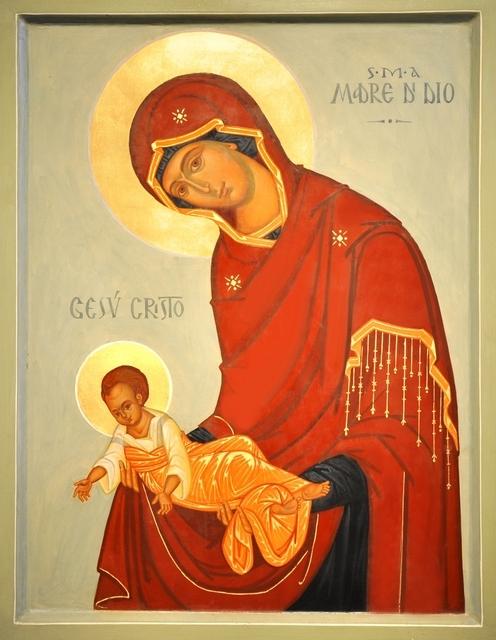
天主召唤我们去走的行程与圣召,对我们好像不总是直线的,反而有时要求我们做一个几乎“冒险的行动”。亚巴郎的经验一直打动了我,他离开时留下了一切和所有人,如希伯来书接下来表明的:“信仰”听从了天主,“背井离乡,不晓得要往哪里去”。这里涉及一个信仰旅程的基本面貌:信任天主。我们其中许多人不怀疑天主的存在,并相信耶稣基督是天主子、拯救者,来到世上为救赎我们,犹如我们也会经验到的复活的初果。但从信赖耶稣基督至无条件的信任,就有一个很大的跳跃。这经常是我们信仰的软肋–无条件地信任(和信赖)天主。该信任是自从祂降生为一个缺乏自卫力的婴儿、只有在圣母玛利亚与若瑟照顾和爱护下才能存活之时,天主给我们指出的。天主使自己先做出了一个信任人类的行为,首先创造人,而后降孕在圣母玛利亚的怀中,并信赖一个所为“和其他家庭一样的”家庭,而圣母玛利亚也信赖了天主,并履行了她被召叫的特殊圣召。她也不是没有经过黑暗和犹豫的时刻,有一些也出现在福音故事里。在我心中有一个很美的形象,是查尔斯•德•富高小姐妹会所画的(请看下面的图片)。圣母玛利亚抱着小耶稣,而祂不但不是“蜷卧”在母亲安适的怀抱里,而是伸出自己的膀子,好像要让想迎接祂的路人抱祂。这幅原始的“圣像”再次令我想起上主对人类给予信任的意思,甚至要为人、为我们所有的人和在一起的一切人奉献自己的生命。上主要求我们基督徒信赖祂,要求我们“没有看见”而相信祂。我们不只一次在生命中被要求实行这些信任行为。后来亚巴郎甚至被要求牺牲他儿子依撒格。其意义是,基督徒除了在生活上被召叫履行“小的、日常的”信任行为之外,在生活过程中也会有大的,很大的信任行为要履行。

Madonna-con-Bambino

圣人们是一个对天父之爱无条件信任的明镜,他们常是无论怎样都跟随耶稣,许多次在心灵上和具体的每日生活中度着黑暗的行程。对我来说,圣人是个大安慰,因为他们在生活的痛苦中显示,这些痛苦能以人性,或按照上主给我们的要求生活,因恩典的协助得以克服。

但我们看见,抄“近路”与黑暗的“上坡”之间选择的诱惑立刻出现在人的心中,甚至在最接近上主,而为祂奉献了一切,包括生命的人中。今天的福音接着读经一关于亚巴郎圣召的故事,讲述耶稣显圣容。上主、伯多禄、雅各伯与若望走上“一座高山”。当上主如在这种情况下准备什么特别的事物时,福音里经常写说,是在一般仇视与困难的情况或状况下启程的。好比在这情况下是上山;牧羊人的背景-是当时社会所弃绝的人- 或耶稣诞生时被黑落德王欺骗的贤士… 一但抵达目的地时,伯多禄就建议准备三个帐篷,只有他们留在那里。事实上为我而言伯多禄好像要说,“我们把一切丢在背后,抛弃世界与它的痛苦”。也许他也说:“我们三位来享受上主的陪伴罢”。我自己很多次经验过或见到受过了这诱惑的一些人。用比较接近我们或也许更有效的话来说,就是“抛掉一切”;在我们本堂的团体、活动组织中“抓紧”信仰,远离“不认识”或更糟“拒绝”上主的世界…圣言礼仪为梵二大公会议明智地“装配”,在这些读经里对我们说不但不要停下来,而且要行走–就像亚巴郎一样,并引用耶稣在今天福音里所说的话“起来,别怕”–,我们享受了耶稣的光照之后,要把这光带到世界里,以照耀我们生活中许多次要走上的那些黑暗行程。基督徒的圣召不是一起活在一个帐篷里面,而是–如教宗方济各会说–打开帐篷的门,给世界带去耶稣,使想要耶稣的人进去。

愿这个四旬期,我一直认为是信仰行程中的一个吉祥礼物,能协助我们越来越能滋养我们信仰的小油灯,我们因复活的承诺,还未失望的对天主信赖的小油灯。